

Hey there! As a supplier of Zr1 Zirconium Rod, I often get asked about the certification standards for these rods. In this blog post, I'll break down what those standards are and why they matter.
First off, let's talk a bit about Zr1 Zirconium Rod. Zirconium is a super interesting metal. It's got some unique properties that make it useful in a bunch of different industries, like aerospace, chemical processing, and nuclear power. The Zr1 Zirconium Rod, specifically, is known for its high purity and good corrosion resistance. You can find more details about it on our Zr1 Zirconium Rod page.
Now, onto the certification standards. There are several key aspects that these standards cover, and they're all about making sure the Zr1 Zirconium Rod meets certain quality and safety benchmarks.
Chemical Composition
One of the most important parts of the certification standards is the chemical composition of the Zr1 Zirconium Rod. Zirconium itself should be present in a high percentage, usually over 99%. There are also strict limits on the amounts of other elements that can be in the rod. For example, impurities like iron, chromium, nickel, and titanium need to be kept at very low levels. These impurities can affect the rod's properties, like its corrosion resistance and mechanical strength.
The exact limits for these impurities are defined by international standards organizations, such as ASTM (American Society for Testing and Materials). ASTM has a set of standards for zirconium products, including Zr1 Zirconium Rod. When we produce our rods, we make sure they comply with these ASTM standards. This means that when you buy our Zr1 Zirconium Rod, you can be confident that it has the right chemical composition.
Mechanical Properties
Another crucial aspect of the certification standards is the mechanical properties of the Zr1 Zirconium Rod. This includes things like its tensile strength, yield strength, and elongation. Tensile strength is the maximum amount of stress the rod can handle before it breaks, while yield strength is the stress at which the rod starts to deform permanently. Elongation is a measure of how much the rod can stretch before it breaks.
These mechanical properties are important because they determine how the rod will perform in different applications. For example, in aerospace applications, the Zr1 Zirconium Rod needs to have high tensile strength to withstand the forces it will be exposed to during flight. Our rods are tested to ensure they meet the required mechanical property standards. We use advanced testing equipment to measure these properties accurately. If the rod doesn't meet the standards, it won't pass our quality control checks.
Dimensions and Tolerances
The dimensions of the Zr1 Zirconium Rod also need to meet specific standards. This includes the rod's diameter, length, and straightness. The diameter needs to be within a certain tolerance range. For example, if the specified diameter of the rod is 10 mm, it might have a tolerance of ±0.1 mm. This means the actual diameter of the rod can be anywhere between 9.9 mm and 10.1 mm.
Straightness is also important, especially in applications where the rod needs to fit precisely into a particular space. Our manufacturing process is designed to produce rods with accurate dimensions and good straightness. We use precision machining and quality control measures to ensure the rods meet the dimensional standards.
Surface Finish
The surface finish of the Zr1 Zirconium Rod is another factor in the certification standards. A smooth surface finish is important for several reasons. It can improve the rod's corrosion resistance, as a rough surface can provide more sites for corrosion to start. It also makes the rod easier to handle and install.
We use various finishing processes to achieve the desired surface finish on our Zr1 Zirconium Rod. This might include grinding, polishing, or other surface treatment methods. The surface finish is then inspected to make sure it meets the standards.
Quality Control and Testing
To ensure our Zr1 Zirconium Rod meets all the certification standards, we have a comprehensive quality control and testing program. This includes in-process inspections during the manufacturing process, as well as final inspections before the rods are shipped.
We use a variety of testing methods, such as chemical analysis, mechanical testing, and non-destructive testing. Chemical analysis is used to verify the chemical composition of the rod, while mechanical testing measures its mechanical properties. Non-destructive testing, like ultrasonic testing and X-ray testing, is used to detect any internal defects in the rod without damaging it.
Traceability
Traceability is also an important part of the certification standards. This means being able to track the Zr1 Zirconium Rod from its raw material stage all the way to the finished product. We keep detailed records of every step in the manufacturing process, including where the raw materials came from, how they were processed, and what tests were performed. This allows us to provide you with full traceability information if you need it.
Comparison with Other Zirconium Rods
It's worth comparing the Zr1 Zirconium Rod with other types of zirconium rods, like Zr2 Zirconium Rod and Zr5 Zirconium rod. Each type of rod has its own set of properties and is suitable for different applications.
Zr2 Zirconium Rod, for example, has slightly different chemical composition and mechanical properties compared to Zr1. It might be more suitable for applications where a bit more strength is required. On the other hand, Zr1 Zirconium Rod is often preferred for applications where high purity and good corrosion resistance are the main priorities.
Why Certification Matters
So, why do these certification standards matter? Well, for one thing, they give you peace of mind. When you buy a certified Zr1 Zirconium Rod, you know it has been tested and meets certain quality and safety standards. This reduces the risk of problems down the line, like premature failure or corrosion.
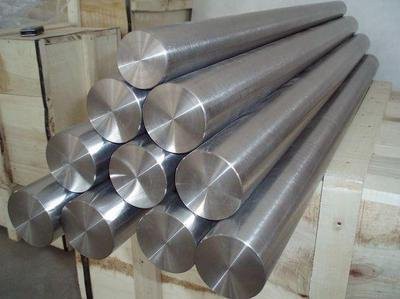

Certification also helps in industries where there are strict regulations. For example, in the nuclear power industry, zirconium products need to meet very high standards to ensure the safety of the nuclear reactors. By using certified Zr1 Zirconium Rod, you can be sure that you're complying with these regulations.
Conclusion
In conclusion, the certification standards for Zr1 Zirconium Rod cover a wide range of aspects, from chemical composition and mechanical properties to dimensions and surface finish. These standards are all about ensuring the rod meets high-quality and safety benchmarks.
As a supplier, we take these certification standards very seriously. We have a rigorous quality control and testing program to make sure our Zr1 Zirconium Rods comply with all the relevant standards. Whether you're in the aerospace, chemical processing, or nuclear power industry, you can trust our Zr1 Zirconium Rod to meet your needs.
If you're interested in purchasing Zr1 Zirconium Rod, we'd love to talk to you. We can provide you with more information about our products, including the certification details. Just reach out to us, and we'll be happy to assist you in your procurement process.
References
- ASTM International. Standards for zirconium products.
- Various industry research papers on zirconium properties and applications.