

Hey there! I'm a supplier of Zr4 Zirconium Rod, and today I wanna chat about the requirements for using this stuff in nuclear applications. Zirconium rods, especially the Zr4 type, play a super important role in the nuclear field. So, let's dive right in and explore what it takes to use them properly.
1. Chemical Purity
First off, chemical purity is a big deal. In nuclear applications, even the tiniest amount of impurities can mess things up. Zr4 Zirconium Rod needs to have a really high level of purity. Impurities like hafnium (Hf) are a major no - no. Hafnium has a high neutron absorption cross - section, which means it can soak up neutrons that are supposed to be used for the nuclear reaction. This can reduce the efficiency of the nuclear reactor and even cause some safety issues.
We usually aim for a hafnium content of less than 0.01% in Zr4 Zirconium Rod. Other impurities like iron (Fe), chromium (Cr), and nickel (Ni) also need to be strictly controlled. These elements can form alloys with zirconium, which might change the mechanical and corrosion - resistant properties of the rod. For example, if the iron content is too high, it could lead to increased corrosion in the harsh nuclear environment.
2. Mechanical Properties
The mechanical properties of Zr4 Zirconium Rod are crucial. In a nuclear reactor, the rods are exposed to high temperatures, high pressures, and intense radiation. They need to be able to withstand these conditions without breaking or deforming.
One of the key mechanical properties is strength. The rod should have enough tensile strength to resist the forces caused by the flow of coolant and the expansion and contraction due to temperature changes. Typically, we look for a minimum tensile strength of around 300 MPa.

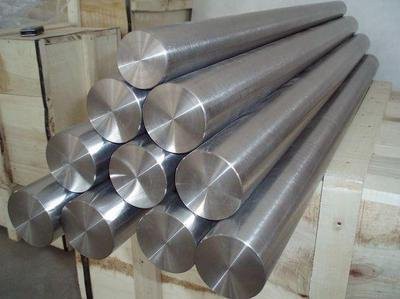
Ductility is also important. A ductile rod can deform a little bit under stress without cracking. This is essential because in a nuclear reactor, the rods may experience some minor mechanical shocks or vibrations. If the rod is too brittle, it could crack and release radioactive materials. We usually measure ductility by the percentage of elongation at break, and for Zr4 Zirconium Rod, we aim for an elongation of at least 15%.
3. Corrosion Resistance
Corrosion is a major enemy in nuclear applications. The Zr4 Zirconium Rod is constantly in contact with coolant, which is often water or a special coolant fluid. This coolant can be very corrosive, especially at high temperatures and pressures.
Zirconium has a natural ability to form a protective oxide layer on its surface, which helps prevent corrosion. But for nuclear applications, we need to make sure this oxide layer is stable and uniform. Any defects in the oxide layer can lead to localized corrosion, which can weaken the rod over time.
We test the corrosion resistance of Zr4 Zirconium Rod in simulated nuclear reactor conditions. This involves exposing the rod to high - temperature, high - pressure water or coolant for an extended period. The weight gain of the rod due to oxidation is measured, and we aim for a low and consistent weight gain to ensure good corrosion resistance.
4. Microstructure
The microstructure of Zr4 Zirconium Rod can have a big impact on its performance in nuclear applications. A fine - grained microstructure is generally preferred. Fine grains can improve the mechanical properties of the rod, such as strength and ductility.
During the manufacturing process, we use special heat - treatment techniques to control the grain size. For example, annealing at a specific temperature for a certain period can help refine the grains. We also need to make sure there are no large inclusions or voids in the microstructure. These defects can act as stress concentrators and reduce the overall performance of the rod.
5. Radiation Resistance
Nuclear reactors produce a lot of radiation, and Zr4 Zirconium Rod needs to be able to withstand it. Radiation can cause changes in the microstructure of the rod, such as the formation of defects and the growth of new phases. These changes can affect the mechanical and corrosion - resistant properties of the rod.
We study the radiation resistance of Zr4 Zirconium Rod by exposing it to radiation sources in a controlled environment. We look at how the rod's properties change over time, such as its hardness, strength, and corrosion rate. By understanding these changes, we can make sure the rod will perform well throughout its service life in the nuclear reactor.
Comparison with Other Zirconium Rods
There are other types of zirconium rods available, like Zr5 Zirconium rod, Zr2 Zirconium Rod, and Zr3 Zirconium Rod. Each type has its own characteristics and is suitable for different applications.
Zr5 Zirconium rod may have different chemical compositions and mechanical properties compared to Zr4. It might be more suitable for applications where higher strength or different corrosion - resistant properties are required. Zr2 Zirconium Rod could be used in some less - demanding nuclear applications where the purity and mechanical requirements are not as strict. Zr3 Zirconium Rod also has its own unique features, and the choice between these rods depends on the specific needs of the nuclear reactor.
Conclusion
So, as you can see, using Zr4 Zirconium Rod in nuclear applications requires meeting a bunch of strict requirements. From chemical purity to mechanical properties, corrosion resistance, microstructure, and radiation resistance, every aspect needs to be carefully controlled.
If you're in the nuclear industry and looking for high - quality Zr4 Zirconium Rod that meets all these requirements, don't hesitate to get in touch with us. We have years of experience in producing and supplying zirconium rods, and we're confident that our products can meet your needs. Let's have a chat about your specific requirements and see how we can work together.
References
- Nuclear Materials Handbook
- Journal of Nuclear Materials Research
- Standards for Zirconium Alloys in Nuclear Applications