

Titanium, a remarkable metal with a unique combination of properties, has become an indispensable material in the aerospace industry. As a leading titanium workpiece supplier, we have witnessed firsthand the transformative impact of titanium on aerospace technology. In this blog post, we will explore the diverse uses of titanium workpieces in the aerospace sector, highlighting their benefits and applications.
Lightweight and High-Strength Properties
One of the primary reasons titanium is so highly valued in the aerospace industry is its exceptional strength-to-weight ratio. Titanium is approximately 45% lighter than steel but has comparable strength, making it an ideal choice for applications where weight reduction is critical. In aircraft design, every kilogram saved translates into significant fuel savings, increased payload capacity, and improved overall performance.
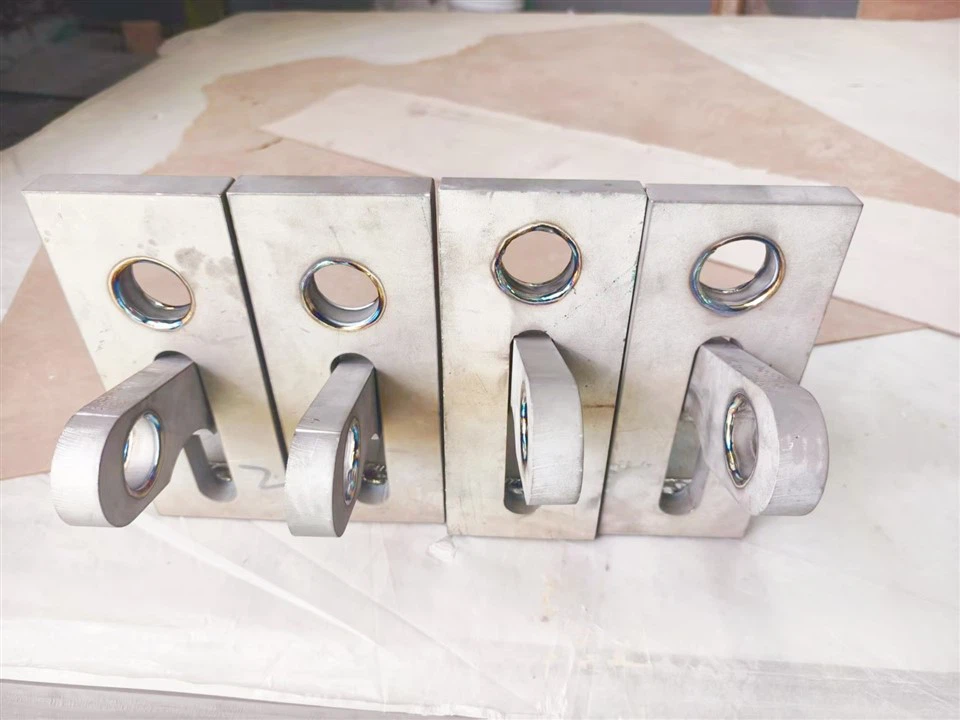
Titanium workpieces are used extensively in aircraft structures, such as wings, fuselages, and landing gear. For example, the use of GR12 Titanium Machining Parts in aircraft components helps to reduce weight while maintaining structural integrity. These parts are precision-machined to meet the strictest aerospace standards, ensuring optimal performance and reliability.
Corrosion Resistance
Another key property of titanium is its excellent corrosion resistance. In the harsh aerospace environment, where aircraft are exposed to extreme temperatures, humidity, and corrosive chemicals, the ability to resist corrosion is crucial for maintaining the safety and longevity of aircraft components.
Titanium workpieces, such as Elliptical Dished Titanium Heads, are commonly used in aircraft fuel tanks, hydraulic systems, and other components that come into contact with corrosive fluids. The corrosion-resistant nature of titanium ensures that these components remain intact and functional over extended periods, reducing the risk of leaks and system failures.
Heat Resistance
Titanium also exhibits excellent heat resistance, making it suitable for applications in high-temperature environments. In aircraft engines, for example, titanium workpieces are used in turbine blades, compressor discs, and other components that are exposed to extreme heat and high stresses.
The high-temperature strength and oxidation resistance of titanium allow these components to maintain their structural integrity and performance under demanding conditions. This not only improves the efficiency and reliability of the engine but also extends its service life.
Biocompatibility
In addition to its mechanical and chemical properties, titanium is also biocompatible, meaning it is well-tolerated by the human body. This property makes titanium workpieces suitable for use in aerospace applications that involve human contact, such as cockpit controls and seating components.
The biocompatibility of titanium ensures that these components are safe and comfortable for pilots and passengers, reducing the risk of allergic reactions and other health issues.
Specific Applications in the Aerospace Industry
Aircraft Structures
As mentioned earlier, titanium workpieces are widely used in aircraft structures to reduce weight and improve strength. In addition to wings, fuselages, and landing gear, titanium is also used in other structural components, such as frames, ribs, and spars.
The use of titanium in these components helps to improve the overall performance and safety of the aircraft, while also reducing maintenance costs and extending the service life of the aircraft.
Aircraft Engines
Titanium is a critical material in aircraft engines, where it is used in a variety of components, including turbine blades, compressor discs, and casings. The high-strength, heat-resistant, and corrosion-resistant properties of titanium make it ideal for these applications, where components are exposed to extreme temperatures, pressures, and stresses.
The use of titanium in aircraft engines helps to improve engine efficiency, reduce fuel consumption, and increase thrust, while also reducing engine weight and maintenance requirements.
Spacecraft
Titanium is also widely used in spacecraft applications, where its lightweight, high-strength, and corrosion-resistant properties are essential for ensuring the safety and success of space missions. In spacecraft structures, titanium workpieces are used in the construction of the spacecraft's frame, panels, and other components.
In addition, titanium is used in spacecraft propulsion systems, where it is used in the construction of rocket engines, fuel tanks, and other components. The high-temperature strength and corrosion resistance of titanium make it suitable for these applications, where components are exposed to extreme heat and harsh chemicals.
Satellite Technology
Titanium is also used in satellite technology, where its lightweight and high-strength properties are essential for reducing the weight of the satellite and increasing its payload capacity. In satellite structures, titanium workpieces are used in the construction of the satellite's frame, panels, and other components.
In addition, titanium is used in satellite propulsion systems, where it is used in the construction of thrusters and other components. The high-temperature strength and corrosion resistance of titanium make it suitable for these applications, where components are exposed to extreme heat and harsh chemicals.
Conclusion
In conclusion, titanium workpieces play a vital role in the aerospace industry, offering a unique combination of properties that make them ideal for a wide range of applications. As a titanium workpiece supplier, we are committed to providing high-quality titanium products that meet the strictest aerospace standards.

If you are interested in learning more about our titanium workpieces or would like to discuss your specific requirements, please contact us today. Our team of experts will be happy to assist you in finding the right titanium solution for your aerospace application.
References
- Boeing. (2020). Titanium in Aerospace. Retrieved from [Boeing Website]
- Airbus. (2020). Titanium in Aviation. Retrieved from [Airbus Website]
- ASM International. (2000). Titanium and Titanium Alloys: Properties and Applications. ASM International.