

As a supplier of Zr1 Zirconium Rod, I've witnessed firsthand the significant impact that alloying elements can have on these rods. Zirconium is a highly versatile metal, and the addition of specific alloying elements can modify its properties to suit a wide range of applications. In this blog, I'll delve into the effects of various alloying elements on Zr1 Zirconium Rod and explain how these modifications can benefit different industries.
Understanding Zr1 Zirconium Rod
Before we discuss the effects of alloying elements, let's briefly understand what Zr1 Zirconium Rod is. Zr1 zirconium is a commercially pure zirconium grade, which is known for its excellent corrosion resistance, high melting point, and low neutron absorption cross - section. These properties make Zr1 Zirconium Rods ideal for use in the chemical industry, nuclear power plants, and aerospace applications. You can find more information about our Zr1 Zirconium Rod on our website.
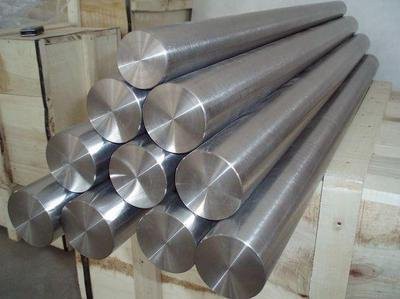

Effects of Alloying Elements on Zr1 Zirconium Rod
1. Tin (Sn)
Tin is one of the most common alloying elements added to zirconium. When tin is added to Zr1 Zirconium Rod, it can improve the strength and corrosion resistance of the rod. Tin forms a solid solution with zirconium, which helps to strengthen the metal matrix. This increase in strength is particularly useful in applications where the rod needs to withstand high mechanical stress, such as in structural components of chemical reactors.
In addition, tin enhances the corrosion resistance of zirconium in various environments, including acidic and alkaline solutions. It promotes the formation of a stable oxide layer on the surface of the rod, which acts as a barrier against corrosion. This makes Zr1 Zirconium Rod with tin alloying suitable for use in harsh chemical environments.
2. Iron (Fe)
Iron is another important alloying element for Zr1 Zirconium Rod. The addition of iron can improve the mechanical properties of the rod, such as hardness and tensile strength. Iron forms intermetallic compounds with zirconium, which are dispersed throughout the metal matrix. These intermetallic compounds act as strengthening agents, increasing the resistance of the rod to deformation.
However, the amount of iron added needs to be carefully controlled. Excessive iron content can lead to the formation of large intermetallic particles, which may reduce the ductility of the rod and increase its susceptibility to cracking. Therefore, a balanced iron content is crucial to achieve the desired combination of strength and ductility.
3. Chromium (Cr)
Chromium is often added to Zr1 Zirconium Rod to improve its corrosion resistance, especially in oxidizing environments. Chromium can form a passive oxide film on the surface of the rod, which is highly resistant to corrosion. This passive film prevents the underlying zirconium from reacting with the surrounding environment, thus protecting the rod from corrosion.
In addition, chromium can also enhance the high - temperature stability of the rod. It helps to maintain the mechanical properties of the rod at elevated temperatures, making it suitable for use in high - temperature applications, such as in aerospace engines.
4. Nickel (Ni)
Nickel is sometimes added to Zr1 Zirconium Rod to improve its resistance to stress corrosion cracking. Stress corrosion cracking is a serious problem in many engineering applications, where the combined action of stress and a corrosive environment can cause sudden and catastrophic failure of the material.
The addition of nickel can modify the surface chemistry of the rod and reduce the susceptibility to stress corrosion cracking. It also improves the overall corrosion resistance of the rod in certain environments, such as in solutions containing chloride ions.
Applications of Alloyed Zr1 Zirconium Rod
The modification of Zr1 Zirconium Rod through alloying elements opens up a wide range of applications in different industries.
Chemical Industry
In the chemical industry, alloyed Zr1 Zirconium Rods are used in the construction of reactors, heat exchangers, and piping systems. The improved corrosion resistance and mechanical properties of the alloyed rods make them suitable for handling corrosive chemicals, such as acids, alkalis, and salts. For example, Zr1 Zirconium Rod alloyed with tin and chromium can be used in the production of sulfuric acid, where it can withstand the highly corrosive nature of the acid.
Nuclear Power Industry
The nuclear power industry also benefits from the use of alloyed Zr1 Zirconium Rods. The low neutron absorption cross - section of zirconium makes it an ideal material for use in nuclear reactors. Alloying elements can further improve the mechanical and corrosion properties of the rods, ensuring their long - term performance in the harsh nuclear environment. For example, Zr1 Zirconium Rod alloyed with tin and iron can be used as fuel cladding in nuclear reactors, where it needs to withstand high temperatures, radiation, and corrosion.
Aerospace Industry
In the aerospace industry, alloyed Zr1 Zirconium Rods are used in the manufacturing of aircraft engines and structural components. The high - temperature stability and excellent mechanical properties of the alloyed rods make them suitable for use in high - stress and high - temperature applications. For instance, Zr1 Zirconium Rod alloyed with chromium and nickel can be used in turbine blades, where it needs to withstand high - speed rotation and extreme temperatures.
Conclusion
In conclusion, the addition of alloying elements to Zr1 Zirconium Rod can significantly modify its properties, including strength, corrosion resistance, and high - temperature stability. Each alloying element plays a specific role in enhancing the performance of the rod, and the combination of different alloying elements can be tailored to meet the requirements of specific applications.
As a supplier of Zr1 Zirconium Rod, we have the expertise and experience to provide high - quality alloyed Zr1 Zirconium Rods. If you are interested in purchasing our products or have any questions about the effects of alloying elements on Zr1 Zirconium Rod, please feel free to contact us for further discussion and procurement negotiation. We also offer other zirconium products such as Zr2 Zirconium Rod and Zr5 Zirconium rod on our website.
References
- ASTM International. "Standard Specification for Zirconium and Zirconium Alloy Seamless Tubes and Pipes for General Service." ASTM B353 - 18.
- ASM Handbook Committee. "ASM Handbook, Volume 2: Properties and Selection: Nonferrous Alloys and Special - Purpose Materials." ASM International, 2001.
- Zirconium Industry Association. "Zirconium and Its Alloys: Properties, Applications, and Manufacturing Processes."