

Hey there! As a supplier of Zr4 Zirconium Rod, I often get asked about the surface roughness achievable during machining. It's a crucial aspect, especially for those in industries where precision and surface quality matter a great deal. So, let's dive right into it and explore what we can expect when it comes to the surface roughness of Zr4 Zirconium Rods during the machining process.
Understanding Zr4 Zirconium Rod
First off, let's have a quick rundown on Zr4 Zirconium Rod. Zirconium is a remarkable metal known for its excellent corrosion resistance, high melting point, and good mechanical properties. The Zr4 grade has its own unique set of characteristics that make it suitable for a variety of applications, from nuclear reactors to chemical processing equipment.
The machining of Zr4 Zirconium Rod is a complex process. Unlike some other metals, zirconium has a relatively low thermal conductivity. This means that during machining, heat tends to build up in the cutting zone. And excessive heat can have a significant impact on the surface roughness of the rod.
Factors Affecting Surface Roughness
Cutting Tools
The type of cutting tool used plays a huge role in determining the surface roughness. High - quality carbide tools are often preferred for machining Zr4 Zirconium Rod. They have the hardness and wear resistance needed to maintain a sharp cutting edge throughout the machining process. Dull tools, on the other hand, can cause built - up edges on the workpiece, leading to a rougher surface finish. For example, if you use a worn - out end mill, it might tear the metal instead of cleanly cutting it, resulting in a surface with visible grooves and unevenness.
Cutting Parameters
Cutting speed, feed rate, and depth of cut are the three main cutting parameters that affect surface roughness. When it comes to cutting speed, a higher speed can sometimes lead to a better surface finish. However, if the speed is too high, it can cause excessive heat generation, which can damage the surface of the Zr4 Zirconium Rod.
The feed rate also matters. A lower feed rate generally results in a smoother surface. But if the feed rate is too low, it can increase the machining time and may not be cost - effective. The depth of cut should be carefully controlled as well. A large depth of cut can cause more vibration and stress on the workpiece, leading to a rougher surface.
Coolant and Lubrication
Using the right coolant and lubrication is essential for achieving a good surface roughness on Zr4 Zirconium Rod. Coolants help to dissipate heat from the cutting zone, reducing the chances of thermal damage to the surface. They also act as a lubricant, reducing friction between the cutting tool and the workpiece. A well - chosen coolant can improve chip formation, which in turn can lead to a smoother surface finish. For instance, a water - based coolant with the right additives can provide both cooling and lubrication benefits.
Achievable Surface Roughness Values
In general, with proper machining techniques and the right combination of cutting tools, parameters, and coolant, it's possible to achieve a surface roughness (Ra) in the range of 0.4 to 1.6 micrometers on Zr4 Zirconium Rod. However, this is just a ballpark figure. In some cases, with highly precise machining processes and advanced equipment, even lower surface roughness values can be achieved.
Let's say you're using a state - of - the - art CNC machining center with high - end carbide tools and a well - formulated coolant. By carefully optimizing the cutting parameters, you might be able to get the surface roughness down to around 0.2 micrometers. This level of smoothness is ideal for applications where a tight fit or a low - friction surface is required, such as in some precision mechanical components.
Comparing with Other Zirconium Rod Grades
It's interesting to note how the achievable surface roughness of Zr4 Zirconium Rod compares with other grades like Zr3 Zirconium Rod, Zr5 Zirconium rod, and Zr2 Zirconium Rod. Each grade has its own unique composition and properties, which can affect the machining process and the resulting surface roughness.
Zr2 Zirconium Rod, for example, may have a different hardness and ductility compared to Zr4. This can mean that the cutting forces and chip formation during machining are different, potentially leading to a different range of achievable surface roughness values. Similarly, Zr3 and Zr5 may also have their own quirks when it comes to machining and surface finish.
Applications and Surface Roughness Requirements
The required surface roughness of Zr4 Zirconium Rod depends largely on its application. In the nuclear industry, where Zr4 is commonly used for cladding fuel rods, a very smooth surface is essential. A rough surface could potentially lead to increased corrosion or even affect the heat transfer properties. In this case, the surface roughness requirements are extremely strict, and values close to the lower end of the achievable range (around 0.2 - 0.4 micrometers) are often needed.
In chemical processing equipment, the surface roughness requirements may be slightly more lenient. However, a relatively smooth surface is still preferred to prevent the accumulation of chemicals and to ensure easy cleaning. For general mechanical applications, a surface roughness in the range of 0.8 - 1.6 micrometers may be sufficient.
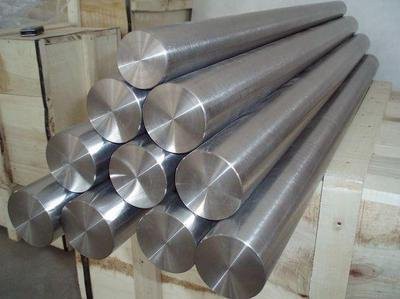

Tips for Achieving the Best Surface Roughness
If you're looking to get the best possible surface roughness on Zr4 Zirconium Rod during machining, here are some tips:
- Tool Selection: Always choose high - quality cutting tools and replace them when they start to show signs of wear.
- Parameter Optimization: Experiment with different cutting speeds, feed rates, and depths of cut to find the optimal combination for your specific machining setup.
- Coolant Management: Make sure to use the right coolant and maintain its proper concentration and flow rate.
- Machine Maintenance: Keep your machining equipment well - maintained to minimize vibration and ensure accurate cuts.
Contact for Procurement
If you're in the market for high - quality Zr4 Zirconium Rod and have specific surface roughness requirements for your application, I'd love to hear from you. Whether you're a small - scale manufacturer or a large industrial player, we can work together to meet your needs. Don't hesitate to reach out to discuss your procurement options and get a quote.
References
- "Machining of Zirconium Alloys" - A technical report on the machining characteristics of zirconium alloys.
- "Surface Finish in Metal Machining" - A comprehensive guide on factors affecting surface finish in metal machining processes.
- "Advanced Cutting Tools for Precision Machining" - A study on the role of cutting tools in achieving high - quality surface finishes.