

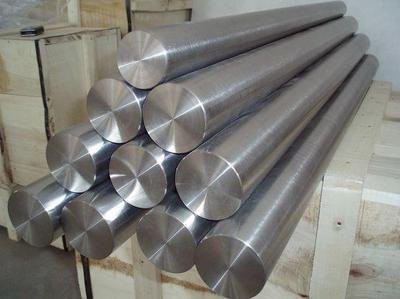
As a supplier of Zr2 Zirconium Rod, I'm frequently asked whether this remarkable material can be used in the oil and gas industry. In this blog post, I'll delve into the properties of Zr2 Zirconium Rod, explore its potential applications in the oil and gas sector, and discuss the advantages it offers.
Properties of Zr2 Zirconium Rod
Zr2 Zirconium Rod is a high - quality zirconium product with specific chemical and physical properties that make it stand out. Zirconium, in general, is known for its excellent corrosion resistance. Zr2 zirconium has a particular chemical composition that gives it enhanced performance in certain environments.
The corrosion resistance of Zr2 Zirconium Rod is mainly due to the formation of a stable oxide layer on its surface. This oxide layer acts as a protective barrier, preventing the underlying metal from reacting with corrosive substances. In addition to corrosion resistance, Zr2 Zirconium Rod also has good mechanical properties. It has relatively high strength and ductility, which means it can withstand significant stress and deformation without breaking.
Potential Applications in the Oil and Gas Industry
Downhole Equipment
In the oil and gas industry, downhole equipment is exposed to extremely harsh conditions. The environment downhole often contains high - pressure fluids, corrosive chemicals such as hydrogen sulfide (H₂S) and carbon dioxide (CO₂), and high temperatures. Zr2 Zirconium Rod's excellent corrosion resistance makes it a potential candidate for downhole tools. For example, it can be used to manufacture drill collars, which are an important part of the drill string. Drill collars need to have good strength and corrosion resistance to ensure the smooth progress of drilling operations. Using Zr2 Zirconium Rod to make drill collars can significantly extend their service life and reduce the frequency of replacement, thereby saving costs.
Pipeline Systems
Pipeline systems are the arteries of the oil and gas industry, transporting oil and gas from the production site to processing facilities and end - users. These pipelines are often buried underground or laid on the seabed, where they are exposed to various corrosive substances in the soil or seawater. Zr2 Zirconium Rod can be used to manufacture pipeline components, such as flanges and connectors. The corrosion - resistant property of Zr2 Zirconium Rod can prevent pipeline leakage caused by corrosion, ensuring the safety and reliability of the pipeline system.
Refining and Processing Equipment
In oil refineries and gas processing plants, equipment is in contact with various corrosive chemicals during the refining and processing processes. For example, in the desulfurization process, equipment is exposed to sulfur - containing compounds. Zr2 Zirconium Rod can be used to make reaction vessels, heat exchangers, and other equipment in these plants. Its corrosion resistance can withstand the attack of corrosive substances, maintaining the normal operation of the equipment and improving the efficiency of the refining and processing processes.
Advantages Compared to Other Materials
Compared to Carbon Steel
Carbon steel is a commonly used material in the oil and gas industry due to its relatively low cost and good mechanical properties. However, carbon steel has poor corrosion resistance, especially in environments containing H₂S and CO₂. In contrast, Zr2 Zirconium Rod has excellent corrosion resistance, which can significantly reduce the maintenance and replacement costs associated with corrosion - related failures. Although the initial cost of Zr2 Zirconium Rod is higher than that of carbon steel, the long - term cost - effectiveness is much better.
Compared to Other Zirconium Alloys
There are other zirconium alloys such as Zr1 Zirconium Rod and Zr3 Zirconium Rod. Each zirconium alloy has its own characteristics. Zr2 Zirconium Rod strikes a good balance between corrosion resistance and mechanical properties. Zr1 may have different corrosion - resistant characteristics in some specific environments, while Zr3 may be more suitable for some high - temperature applications. However, in general oil and gas industry scenarios where a combination of corrosion resistance and mechanical strength is required, Zr2 Zirconium Rod is a very competitive choice.
Challenges and Considerations
Cost
As mentioned earlier, the cost of Zr2 Zirconium Rod is relatively high compared to some traditional materials such as carbon steel. This may be a limiting factor for some projects with strict budget constraints. However, when considering the long - term benefits, such as reduced maintenance costs and extended service life, the cost - effectiveness of Zr2 Zirconium Rod becomes more apparent.
Machining Difficulty
Zr2 Zirconium Rod has certain machining difficulties. Due to its high strength and hardness, special machining techniques and tools are required. This may increase the manufacturing cost and time. However, with the development of modern machining technology, the machining problems of Zr2 Zirconium Rod are gradually being solved.

Conclusion
In conclusion, Zr2 Zirconium Rod has great potential in the oil and gas industry. Its excellent corrosion resistance, good mechanical properties, and suitability for various applications make it a valuable material. Although there are some challenges such as cost and machining difficulty, the long - term benefits it brings far outweigh these drawbacks.
If you are in the oil and gas industry and are interested in using Zr2 Zirconium Rod for your projects, I encourage you to contact us for a detailed discussion. We can provide you with high - quality Zr2 Zirconium Rod products and professional technical support to help you achieve the best results in your projects.
References
- ASM Handbook Committee. ASM Handbook, Volume 2: Properties and Selection: Nonferrous Alloys and Special - Purpose Materials. ASM International, 1990.
- Fontana, M. G. Corrosion Engineering. McGraw - Hill, 1986.
- Schweitzer, P. A. Corrosion Resistance Tables. Marcel Dekker, 1995.