

Hey there! As a supplier of Gr5 Titanium Flanges, I've seen firsthand the importance of ensuring the tightness of these joints. In this blog, I'll share some tips and tricks on how to make sure your Gr5 Titanium Flange joints are as tight as possible.

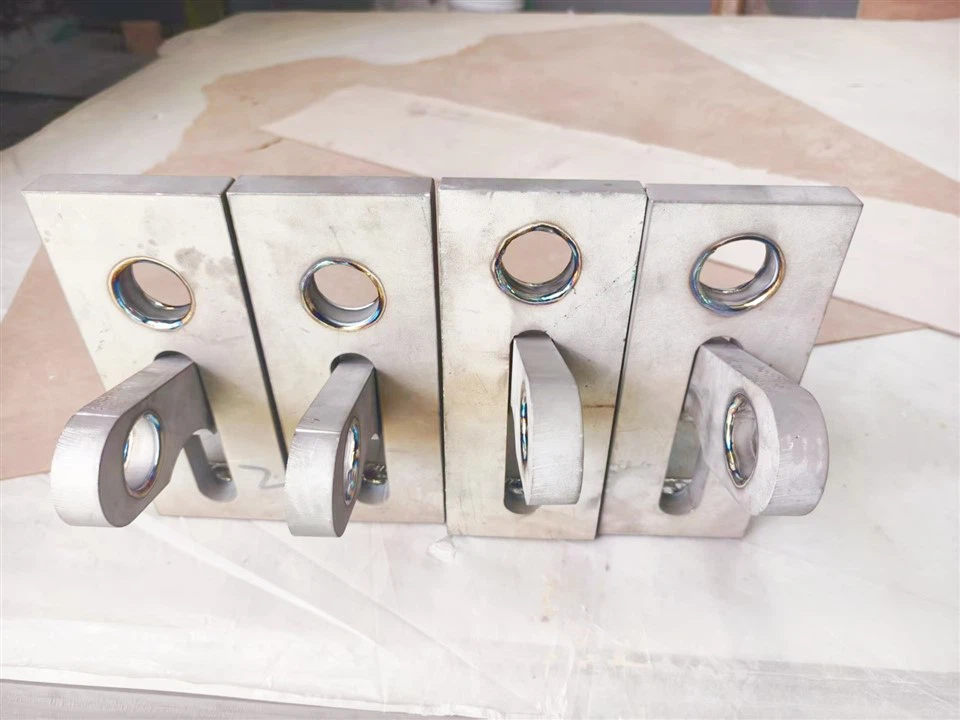
Understanding Gr5 Titanium Flanges
First off, let's talk a bit about Gr5 Titanium Flanges. Gr5 titanium, also known as Ti-6Al-4V, is one of the most widely used titanium alloys. It offers a great combination of high strength, low weight, and excellent corrosion resistance. Flanges made from Gr5 titanium are commonly used in various industries, such as aerospace, chemical processing, and marine applications.
But here's the thing - getting a tight joint with Gr5 Titanium Flanges isn't always a walk in the park. There are several factors that can affect the tightness of the joint, and it's crucial to address them properly.
Surface Preparation
One of the first steps in ensuring a tight Gr5 Titanium Flange joint is proper surface preparation. The surfaces of the flanges need to be clean and free from any contaminants, such as dirt, oil, or rust. Even a small amount of debris can prevent the flanges from seating properly, leading to leaks.
I usually recommend using a solvent to clean the flange surfaces thoroughly. After cleaning, make sure to dry the surfaces completely. You can use a clean, lint-free cloth for this. Additionally, it's a good idea to inspect the surfaces for any scratches or damage. If you find any, you may need to machine or polish the surfaces to ensure a smooth and flat contact area.
Gasket Selection
The gasket plays a vital role in creating a tight seal between the Gr5 Titanium Flanges. When choosing a gasket, you need to consider several factors, such as the operating temperature, pressure, and the type of fluid or gas that will be flowing through the joint.
For Gr5 Titanium Flanges, I often suggest using gaskets made from materials that are compatible with titanium. Some common choices include graphite, PTFE (polytetrafluoroethylene), and rubber. Graphite gaskets are known for their excellent heat resistance and chemical compatibility, while PTFE gaskets offer good sealing performance and resistance to corrosion. Rubber gaskets, on the other hand, are more flexible and can conform to irregular surfaces.
Make sure to choose a gasket with the right size and thickness. A gasket that is too thin may not provide enough sealing force, while a gasket that is too thick can cause the flanges to deform when tightened.
Bolt Torque
Proper bolt torque is another critical factor in ensuring a tight Gr5 Titanium Flange joint. When you tighten the bolts, you're creating a clamping force that presses the flanges together, compressing the gasket and creating a seal.
It's important to follow the manufacturer's recommended torque values for the bolts. Over-tightening the bolts can damage the flanges or the gasket, while under-tightening can result in leaks. You can use a torque wrench to ensure that the bolts are tightened to the correct specification.
I usually recommend tightening the bolts in a star pattern. This helps to distribute the clamping force evenly across the flange, preventing uneven compression of the gasket. After tightening the bolts initially, it's a good idea to re-torque them after a short period of operation to account for any settling or relaxation of the gasket.
Installation Techniques
During the installation of the Gr5 Titanium Flanges, it's essential to use the right techniques. Make sure the flanges are properly aligned before tightening the bolts. Misaligned flanges can cause uneven stress distribution, leading to leaks and premature failure of the joint.
I like to use alignment pins or guides to help ensure proper alignment. These can be especially useful when dealing with large or heavy flanges. Once the flanges are aligned, insert the bolts and washers and start tightening them gradually, following the star pattern.
Inspection and Maintenance
Even after a successful installation, it's important to regularly inspect and maintain the Gr5 Titanium Flange joints. Check for any signs of leaks, such as fluid or gas seepage, corrosion, or damage to the flanges or gasket.
If you notice any issues, take immediate action to address them. This may involve tightening the bolts, replacing the gasket, or repairing the flanges. Regular maintenance can help extend the lifespan of the joints and prevent costly downtime.
Other Related Products
In addition to Gr5 Titanium Flanges, we also offer other titanium products, such as GR2 Titanium Target, GR12 Titanium Machining Parts, and Titanium Elbow. These products are also made from high-quality titanium alloys and are suitable for a wide range of applications.
Conclusion
Ensuring the tightness of Gr5 Titanium Flange joints requires attention to detail and proper execution of the installation process. By following the tips I've shared in this blog, you can increase the likelihood of a successful and leak-free joint.
If you're in the market for Gr5 Titanium Flanges or any of our other titanium products, don't hesitate to reach out. We're here to help you find the right solutions for your specific needs. Contact us today to start the procurement process and let's work together to ensure your projects run smoothly.
References
- ASME B16.5 - Pipe Flanges and Flanged Fittings
- API 6A - Specification for Wellhead and Christmas Tree Equipment
- ASTM B348 - Standard Specification for Titanium and Titanium Alloy Bars and Billets