

Hey there! As a supplier of Zr3 Zirconium Rod, I often get asked about the anodizing process for these rods. So, I thought I'd take a deep - dive into it and share all the details with you.
First off, let's understand what anodizing is. Anodizing is an electrochemical process that converts the metal surface into a decorative, durable, corrosion - resistant, anodic oxide finish. For Zr3 Zirconium Rods, this process is super important as it can enhance the rod's performance in various applications.
The Basics of Anodizing Zr3 Zirconium Rod
The anodizing process for Zr3 Zirconium Rod starts with a thorough cleaning. We can't just jump right into anodizing a dirty rod, right? Cleaning removes any dirt, grease, or other contaminants on the surface of the rod. This is usually done using a combination of solvents and alkaline cleaners. The rod is soaked in these cleaning solutions for a specific period, depending on how dirty it is. After that, it's rinsed thoroughly with clean water to make sure all the cleaning agents are removed.
Once the rod is clean, it's time for the actual anodizing step. The Zr3 Zirconium Rod is placed in an electrolytic bath. This bath contains an electrolyte solution, which is typically an acid - based solution. The choice of electrolyte is crucial as it affects the properties of the anodic oxide layer formed on the rod. For Zr3 Zirconium Rods, sulfuric acid is a commonly used electrolyte, but other acids like phosphoric acid can also be used depending on the desired outcome.
The rod acts as the anode in this electrochemical setup. A cathode, usually made of a conductive material like stainless steel, is also placed in the bath. When an electric current is applied, oxygen is released at the surface of the Zr3 Zirconium Rod. This oxygen reacts with the zirconium metal to form a zirconium oxide layer. The thickness of this oxide layer can be controlled by adjusting the current density, the time the rod spends in the bath, and the composition of the electrolyte.
Factors Affecting the Anodizing Process
There are several factors that can have a big impact on the anodizing process for Zr3 Zirconium Rods.
Current Density: This is the amount of electric current per unit area of the rod's surface. Higher current densities generally lead to faster growth of the oxide layer. However, if the current density is too high, it can cause uneven oxide growth, leading to a rough or pitted surface. On the other hand, a very low current density will result in a slow - growing and thin oxide layer.
Temperature: The temperature of the electrolytic bath is another critical factor. Generally, a lower temperature results in a denser and more corrosion - resistant oxide layer. But if the temperature is too low, the anodizing process may slow down significantly. Most anodizing operations for Zr3 Zirconium Rods are carried out at temperatures between 15 - 25 degrees Celsius.
Time: The longer the Zr3 Zirconium Rod stays in the electrolytic bath, the thicker the oxide layer will be. But there's a limit to how long you can anodize the rod. If you leave it in the bath for too long, the oxide layer may start to dissolve back into the electrolyte, or it may become too thick and brittle, which can cause it to crack or peel off.
Benefits of Anodizing Zr3 Zirconium Rod
Anodizing Zr3 Zirconium Rods offers a bunch of benefits.
Corrosion Resistance: One of the main advantages is improved corrosion resistance. The zirconium oxide layer acts as a barrier between the rod and the surrounding environment. This protects the rod from rust and other forms of corrosion, making it suitable for use in harsh environments, such as in chemical processing plants or marine applications.
Wear Resistance: The anodized layer also enhances the wear resistance of the Zr3 Zirconium Rod. It can withstand more friction and abrasion without getting damaged. This is great for applications where the rod is subject to mechanical stress, like in machinery parts.
Aesthetics: Anodizing can also give the Zr3 Zirconium Rod a more appealing appearance. The oxide layer can have different colors, depending on the anodizing process and the additives used in the electrolyte. This allows for customization, making the rod suitable for decorative as well as functional purposes.
Comparison with Other Zirconium Rods
We also supply other types of zirconium rods, like Zr2 Zirconium Rod and Zr1 Zirconium Rod. The anodizing process for these rods is similar to that of Zr3 Zirconium Rods, but there are some differences.
Zr1 Zirconium Rods, for example, may require a slightly different electrolyte composition or current density during anodizing because of their different chemical composition. They may have a lower impurity content compared to Zr3 rods, which can affect how the oxide layer forms. Similarly, Zr5 Zirconium rod may have unique anodizing requirements based on its specific properties.
Applications of Anodized Zr3 Zirconium Rod
Anodized Zr3 Zirconium Rods have a wide range of applications. In the medical field, they can be used in surgical instruments because of their biocompatibility and corrosion resistance. The anodized layer helps prevent the rod from reacting with body fluids, reducing the risk of infections.
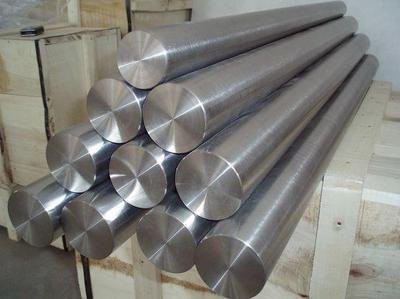

In the aerospace industry, anodized Zr3 Zirconium Rods are used in various components. Their high strength - to - weight ratio and excellent corrosion resistance make them ideal for use in aircraft engines and structural parts.
Quality Control
Quality control is a crucial part of the anodizing process for Zr3 Zirconium Rods. We use various testing methods to ensure the quality of the anodized rods. One common test is the thickness measurement of the oxide layer. This can be done using non - destructive testing methods like eddy - current testing or X - ray fluorescence.
We also test the corrosion resistance of the anodized rods. This is usually done by subjecting the rods to salt - spray tests. The rods are placed in a chamber where they are exposed to a salt - water mist for a specific period. After that, the rods are inspected for any signs of corrosion.
Conclusion
So, that's the anodizing process for Zr3 Zirconium Rods in a nutshell. It's a complex but highly beneficial process that can enhance the performance and appearance of these rods. Whether you need Zr3 Zirconium Rods for medical, aerospace, or other applications, anodizing can make them even better.
If you're interested in purchasing Zr3 Zirconium Rods or have any questions about the anodizing process, feel free to reach out. We're here to help you find the best solution for your needs. Let's start a conversation about how our anodized Zr3 Zirconium Rods can fit into your projects.
References
- "Anodizing of Metals" - Handbook of Surface Engineering
- "Zirconium and Its Alloys: Properties and Applications" - Journal of Materials Science