

Rolling Zr2 zirconium rod is a complex yet fascinating process that involves a series of steps to transform raw zirconium material into a high - quality rod. As a Zr2 zirconium rod supplier, I've been involved in this industry for quite some time, and I'm excited to share the ins and outs of how to roll Zr2 zirconium rod.
Understanding Zr2 Zirconium
First off, let's talk a bit about Zr2 zirconium. Zirconium is a strong, corrosion - resistant metal that's used in a wide range of applications, from nuclear power plants to the chemical industry. The Zr2 grade has specific chemical and physical properties that make it suitable for certain uses. It's known for its good ductility, which is crucial when it comes to the rolling process. You can find more details about Zr2 Zirconium Rod on our website.
Pre - rolling Preparation
Before we even start rolling, there are several important steps to take. The first is material inspection. We need to make sure the raw zirconium material meets the required standards. This includes checking the chemical composition, as even small variations can affect the final properties of the rod. We use advanced analytical techniques like spectroscopy to determine the exact composition of the zirconium.
Next, the material is heated. Heating is a critical step because zirconium has a relatively high melting point, and we need to get it to a temperature where it's malleable enough to be rolled. The heating process is carefully controlled. If the temperature is too low, the zirconium will be too hard to roll, and it might crack. On the other hand, if it's too high, the metal can oxidize, which is a big no - no. We typically use induction heating, as it allows for precise temperature control.
Rolling Process
Once the zirconium is at the right temperature, it's time to start rolling. The rolling process usually involves passing the heated zirconium through a series of rollers. These rollers come in different sizes and configurations, depending on the desired diameter and shape of the final rod.
The initial passes through the rollers are called roughing passes. During these passes, the zirconium is gradually reduced in thickness and elongated. The pressure applied by the rollers needs to be carefully adjusted to ensure uniform deformation. If the pressure is uneven, the rod can end up with uneven thickness or surface defects.
After the roughing passes, we move on to the finishing passes. These passes are used to refine the dimensions and surface finish of the rod. The rollers used for the finishing passes are usually smaller and have a smoother surface to produce a high - quality rod.
One thing to note about rolling zirconium is that it's a dynamic process. We need to constantly monitor the temperature, the pressure, and the speed of the rollers. If any of these parameters are off, it can significantly affect the quality of the final product.
Post - rolling Treatment
Once the rolling is complete, the Zr2 zirconium rod undergoes a series of post - rolling treatments. The first is annealing. Annealing is a heat treatment process that relieves the internal stresses in the rod that were created during rolling. It also helps to improve the ductility and recrystallize the metal structure. The annealing process is carried out in a controlled atmosphere to prevent oxidation.
After annealing, the rod is usually straightened. Straightening is important, especially for applications where precise alignment is required. We use special straightening machines that apply gentle pressure to correct any curvature in the rod.

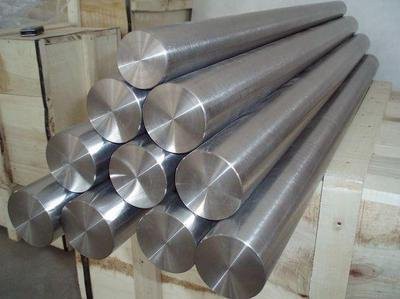
Finally, the rod is cleaned and inspected again. Cleaning removes any surface contaminants that might have been introduced during the rolling and post - rolling processes. The inspection is to ensure that the rod meets all the required specifications, including diameter, surface finish, and mechanical properties.
Comparing with Other Grades
It's also interesting to compare Zr2 zirconium rod with other grades like Zr3 Zirconium Rod and Zr5 Zirconium rod. Each grade has its own unique properties and is suitable for different applications. Zr3, for example, might have different chemical and mechanical properties compared to Zr2, which means the rolling process might need to be adjusted slightly. When considering which grade to use, it's important to consult with a professional who has experience in zirconium applications.
Quality Control
Throughout the entire process of rolling Zr2 zirconium rod, quality control is of utmost importance. We have a strict quality control system in place that includes multiple checks at each stage. From the initial material inspection to the final product inspection, every step is carefully monitored.
We use a combination of destructive and non - destructive testing methods. Non - destructive testing methods, such as ultrasonic testing and eddy - current testing, are used to detect internal and surface defects without damaging the rod. Destructive testing methods, like tensile testing and hardness testing, are used to determine the mechanical properties of the rod.
Applications of Zr2 Zirconium Rod
Zr2 zirconium rod has a wide range of applications. In the nuclear industry, it's used as a cladding material for fuel rods because of its excellent corrosion resistance and low neutron absorption cross - section. In the chemical industry, it's used in equipment such as heat exchangers and reactors due to its resistance to various corrosive chemicals.
Contact for Purchase
If you're in need of high - quality Zr2 zirconium rod for your specific application, don't hesitate to reach out. As a reliable supplier, we have the expertise and the resources to provide you with the best - in - class product. Whether you need a small quantity for research purposes or a large order for industrial applications, we can meet your requirements.
References
- Davis, J. R. (Ed.). (2001). Zirconium and Zirconium Alloys. ASM International.
-ASM Handbook Committee. (1990). ASM Handbook, Volume 6: Welding, Brazing, and Soldering. ASM International.