

Hey there! As a supplier of titanium elbows, I often get asked about the fracture toughness of these nifty components. So, I thought I'd take a deep dive into what fracture toughness is, why it matters for titanium elbows, and how it impacts their performance.
Let's start with the basics. Fracture toughness is a measure of a material's ability to resist the propagation of cracks. In simpler terms, it tells us how well a material can handle stress and prevent cracks from growing and causing it to break. For titanium elbows, which are used in a variety of industries, including aerospace, chemical processing, and oil and gas, fracture toughness is a crucial property.
Titanium is known for its excellent strength - to - weight ratio, corrosion resistance, and high temperature performance. But when it comes to withstanding cracks, its fracture toughness plays a key role. A titanium elbow with high fracture toughness can endure high - stress situations without failing catastrophically. This is especially important in applications where the elbows are exposed to dynamic loads, vibrations, or sudden impacts.
One of the factors that influence the fracture toughness of titanium elbows is the alloy composition. Different titanium alloys have different properties, and some are specifically designed to have higher fracture toughness. For example, Ti - 6Al - 4V is a widely used titanium alloy that offers a good balance of strength, ductility, and fracture toughness. The addition of aluminum and vanadium to the titanium matrix enhances its mechanical properties, making it suitable for a wide range of applications.
The manufacturing process also has a significant impact on the fracture toughness of titanium elbows. Processes like forging, machining, and heat treatment can alter the microstructure of the titanium, which in turn affects its fracture behavior. For instance, proper heat treatment can refine the grain structure of the titanium, improving its toughness. On the other hand, improper machining can introduce surface defects that act as crack initiation sites, reducing the fracture toughness.
Another aspect to consider is the operating environment. Titanium elbows used in corrosive environments may experience a decrease in fracture toughness over time. Corrosion can cause pitting and cracking on the surface of the elbow, which can then propagate under stress. To combat this, special coatings or surface treatments can be applied to the elbows to enhance their corrosion resistance and maintain their fracture toughness.
Now, let's talk about how fracture toughness affects the performance of titanium elbows in real - world applications. In the aerospace industry, titanium elbows are used in aircraft engines and hydraulic systems. These components are subjected to high - speed airflow, extreme temperatures, and rapid pressure changes. A titanium elbow with low fracture toughness may crack under these conditions, leading to potential system failures and safety hazards.

In the chemical processing industry, titanium elbows are used to transport corrosive chemicals. The ability of the elbows to resist cracking is essential to prevent leaks and ensure the safety of the plant. Similarly, in the oil and gas industry, titanium elbows are used in pipelines and offshore platforms. They need to withstand high - pressure fluids and harsh environmental conditions. High fracture toughness ensures that the elbows can operate reliably over long periods without failing.
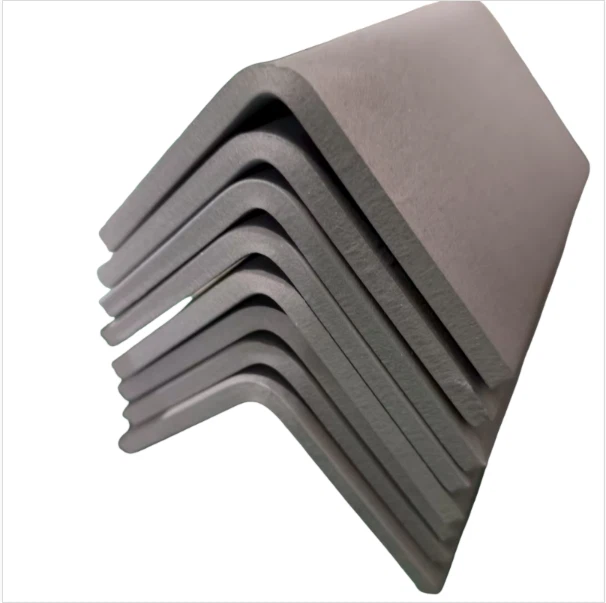
As a titanium elbow supplier, I understand the importance of providing high - quality products with excellent fracture toughness. That's why we carefully select the alloy materials, control the manufacturing processes, and conduct rigorous quality inspections. We also offer a range of related products, such as Titanium Tee, GR2 Pure Titanium Angle Bar, and Customized Titanium Cube. These products are also engineered to meet the highest standards of quality and performance.
If you're in the market for titanium elbows or any of our other titanium products, I encourage you to reach out to us. We have a team of experts who can help you select the right product for your specific application and answer any questions you may have about fracture toughness or other properties. Whether you're a small - scale manufacturer or a large - scale industrial enterprise, we're committed to providing you with the best - in - class titanium products at competitive prices.
In conclusion, the fracture toughness of titanium elbows is a critical property that determines their performance and reliability in various applications. By understanding the factors that influence fracture toughness and taking appropriate measures to optimize it, we can ensure that our titanium elbows meet the demanding requirements of our customers. So, if you're looking for high - quality titanium elbows with excellent fracture toughness, don't hesitate to contact us for a purchase negotiation.
References
-ASM Handbook Volume 2: Properties and Selection: Nonferrous Alloys and Special - Purpose Materials
-Titanium: A Technical Guide, Second Edition by John R. Davis